
Dihydrotestosterone (DHT), one of the most potent hormones in the body, plays a significant role in the development of male characteristics like muscle growth, body hair, and a deeper voice during puberty. Despite being a naturally occurring substance, DHT can also be involved in certain medical treatments. However, when it comes to hair loss, elevated DHT levels can lead to significant changes in both men and women, making it one of the primary factors contributing to male pattern baldness.
In this article, we’ll explore how DHT affects hair loss, the potential natural remedies for blocking DHT, and how you can manage hair thinning effectively.
What is DHT and How Does It Affect Hair Loss?
Dihydrotestosterone (DHT) is a derivative of testosterone, the male sex hormone. It is responsible for triggering the development of male secondary sexual characteristics such as facial hair and a deep voice. However, excessive levels of DHT can have an undesirable effect on hair follicles, leading to hair thinning and hair loss, especially on the temples and crown of the head.
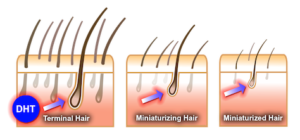
When DHT binds to receptors in the hair follicles, it causes them to shrink over time, shortening the growth phase and eventually leading to follicular miniaturization. This results in thinning hair and, if not treated, can progress to balding.
How High DHT Levels Affect the Male Body
While DHT is essential for puberty and other physiological processes, excess levels of DHT can lead to several unwanted side effects. Some of the common symptoms and conditions caused by high DHT levels in men include:
- Hair loss on the temples and crown
- High blood pressure
- Acne outbreaks
- Increased body and facial hair
- Excessive sweating
- Sleep apnea
- Aggressive behavior or violence
- Increased red blood cell count
Because of its significant effects, managing DHT levels is crucial for those suffering from hair loss or other symptoms associated with high DHT levels.
How DHT Causes Hair Loss and How to Block It
Excessive DHT production is often due to the enzyme 5-alpha reductase, which converts testosterone into DHT. To address this, medications like Finasteride are commonly used to inhibit the conversion of testosterone into DHT.
What Is Finasteride and How Does It Help?
Finasteride, commercially known as Propecia or Proscar, was originally developed to treat enlarged prostate. However, during clinical trials, it was discovered that Finasteride also promoted hair growth in men with androgenic alopecia (male pattern baldness). As a result, it has become one of the most widely prescribed treatments for hair loss.
Finasteride works by blocking the 5-alpha reductase enzyme, preventing the conversion of testosterone into DHT. As a result, it can help slow down hair loss and, in some cases, even promote hair regrowth.
Are There Natural Solutions to Block DHT and Prevent Hair Loss?
While Finasteride is an effective pharmaceutical option, many men are cautious about using medications due to potential side effects, which may include:
- Anxiety
- Depression
- Sexual dysfunction
- Increased risk of prostate cancer
For those seeking natural alternatives, there are a variety of natural DHT blockers that can help prevent hair loss and even promote hair regrowth. While these natural remedies may not have the extensive clinical backing that pharmaceutical treatments do, many people have reported success using them.
Natural DHT Blockers to Regrow Hair: Foods, Supplements, and Lifestyle Changes
Here are some of the top natural ways to block DHT and help prevent hair loss:
Foods That Help Block DHT
Certain foods are known to contain nutrients and vitamins that help reduce DHT production in the body. These include:
- Tomatoes (rich in lycopene)
- Almonds (packed with essential fatty acids)
- Pumpkin seeds (contain zinc)
- Avocados (loaded with healthy fats)
- Green tea (rich in polyphenols)
- Berries (packed with antioxidants)
- Bananas (contain potassium)
- Watermelon (rich in amino acids)
Including these foods in your diet may help support a healthy scalp and prevent excessive DHT buildup.

Supplements That Act as DHT Blockers
Several supplements are believed to act as natural DHT blockers. These include:
- Saw Palmetto: Often considered one of the most popular natural remedies for hair loss, Saw Palmetto may help inhibit the conversion of testosterone into DHT.
- Argan Oil: Known for its moisturizing properties, it may help reduce hair thinning.
- Biotin: A B-vitamin that strengthens hair and promotes growth.
- Aloe Vera: Helps soothe the scalp and prevent hair loss.
- Burdock Root: Known for its anti-inflammatory properties, it may help improve scalp health.
- Oleanoic Acid: Found in certain plants, it may help block the production of DHT.
These supplements can be taken orally or applied topically in the form of shampoos or oils.
Adopting a Healthy Lifestyle for Better Hair Growth
Although not directly related to blocking DHT, maintaining a healthy lifestyle can have a positive impact on your overall hair health. Regular exercise, a balanced diet, and stress management can improve blood circulation to the scalp, which supports hair growth. On the other hand, avoiding smoking, excessive alcohol consumption, and unhealthy eating habits can help improve your hair’s overall health and appearance.
Additionally, it is essential to maintain a scalp-friendly lifestyle if you’re undergoing hair restoration treatments. A healthy scalp environment supports the regrowth of your hair follicles and encourages new hair growth.
Are Natural DHT Blockers the Best Solution for Hair Loss?
The effectiveness of natural DHT blockers varies from person to person. While many men have successfully used natural remedies to block DHT and promote hair growth, there is no one-size-fits-all solution. The success of these remedies depends on various factors, including genetics, lifestyle, and the severity of hair loss.
For those looking for permanent results, a hair transplant remains the most effective solution. Hair restoration surgery provides natural-looking, long-lasting results that cannot be achieved with over-the-counter treatments. For those interested in hair transplants, countries like Hungary offer affordable hair restoration options without compromising on quality.
Conclusion: Managing DHT and Hair Loss Effectively
Whether you choose a pharmaceutical solution like Finasteride, a natural DHT blocker, or a hair transplant, it’s essential to consult with a healthcare provider to determine the best course of action for your unique situation. Addressing DHT-induced hair loss early can help prevent further hair thinning and promote a healthy, full head of hair.